The water in the plastic basin behind a small house in Chimaliro, Mzuzu Distrcit, is not clear. It is greenish, still and alive. If you look closely, tiny dark shadows dart just under the surface.
“These are my teachers,” says 23-year-old Tchiyiwe Nhlema, from Enukweni in Mzimba District, smiling as she sprinkles a handful of feed. The shadows rush up.
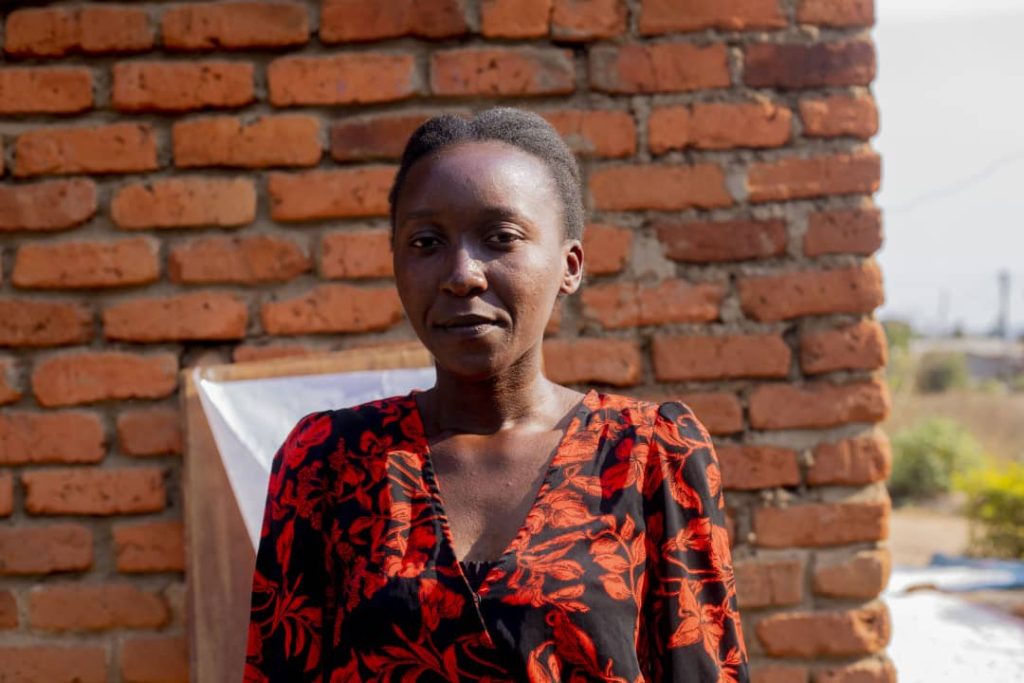
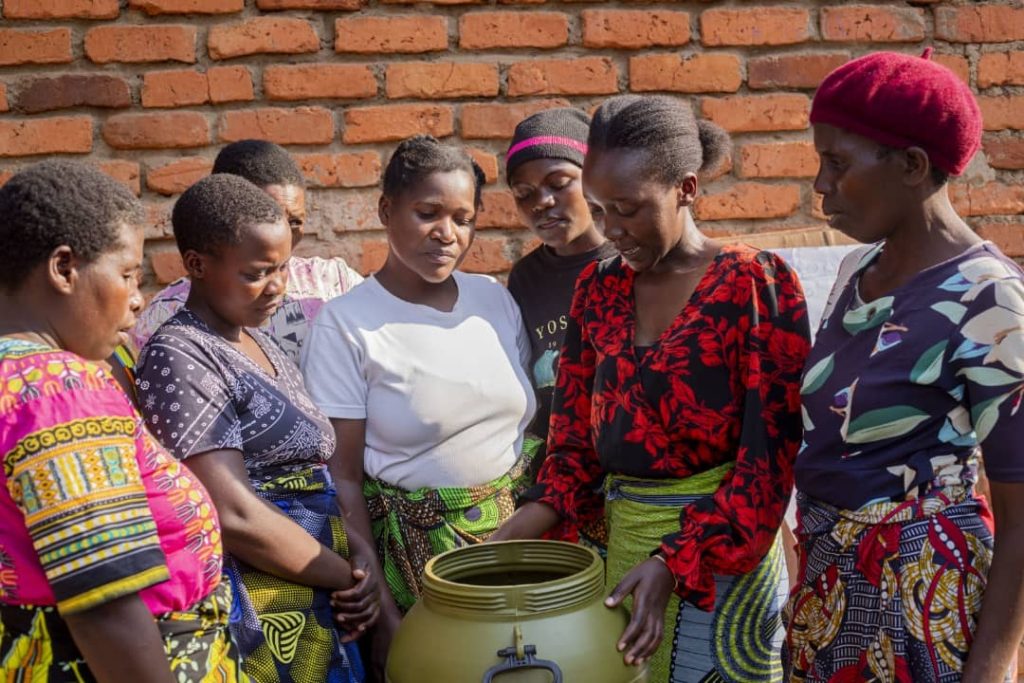
A few months ago, there was nothing here. Today, this basin is a classroom, a business plan and a promise for 10 vulnerable families in Zolozolo Township.
For many, dinner is a daily negotiation; finding enough food to eat, school fees for the children and money to fix a leaking house.
For the women Tchiyiwe has gathered, survival often means selling firewood by the roadside — work that takes the whole day and returns very little.
Tchiyiwe knows that negotiation by heart.
In 2021, her life took a painful turn. Her mother was retrenched from work and with no income at home, Tchiyiwe — then still in school — was forced to drop out.
“After seeing how hard life got at home, I started looking for a job just to survive,” she recalls.
Tchiyiwe moved from office to office in Mzuzu. Most turned her away. One fisheries officer did not. He listened to her story, and instead of offering piecework, he called her for a training programme run by GIZ.
That officer was Mr. Mbamba. He trained her during the four-month GIZ-supported aquaculture training from September 2023 to January 2024 and later employed her.
Tchiyiwe worked with the district fisheries offices for two years, from January 2024 to January 2026, learning not just how to farm fish, but how fish farming could farm hope.
“After knowing what it is to suffer, now I want to help others also have a better life,” Tchiyiwe says simply.
From that conviction, Tchiyiwe Fish Farming Project was born last year.
She opened a GoFundMe campaign being managed by Chiukepo Lungu, based in the UK, to train 10 women from Zolozolo Township.
Lungu is helping the project reach well-wishers outside Malawi.
The benefit, if the project succeeds, is direct: after the hands-on training, each woman will be given tanks, fingerlings and fish feed to start her own business.
And they will be expected to own it fully. They will be trained to feed the fish, change water frequently, do sampling, monitor water quality and manage the harvest.
While many charity projects give handouts, Tchiyiwe’s approach is different.
“We believe fish farming is a sustainable solution to fight hunger and poverty. We are not just giving fish, we are teaching people how to feed themselves and build a better future for their children,” she explains.
For one of the beneficiaries, Mafunase Moyo from Zolozolo, that practicality is what gives her hope.
She has school-going children and a husband who has no stable job.
“This is something that can change my life. It is practical, straightforward and sustainable because it is food at the end of the day and people buy food every day,” says Moyo.
For her, fish farming is not just a project — it will help her support her husband even more in taking care of their children.
Her model has four clear steps:
1. Training: Hands-on training on how to set up and manage fish tanks, feeding, water quality management and harvesting.
2. Start-up support: Providing actual assets — tanks, fingerlings and feed.
3. Mentorship: “Once they start, I will personally monitor them step by step up to the time they harvest and sell the fish. This ensures the project succeeds and they gain confidence.”
4. Replication: After this first group in Zolozolo is stable, the team will move to train the next group of families in Mzuzu. The tanks will belong to the women themselves.
Tchiyiwe may be starting with a basin in Chimaliro, but her plan is calculated for Zolozolo.
The challenges, she says, are real: “The challenges we face is lack of funds, we have not got any support we’re just depending on the GoFundMe.”
Currently they don’t have the actual tanks due to lack of funds, so they will use a basin in its place. When funds come, they will buy the actual tanks.
Her production target for the group is ambitious:
In a country where wild fish catches from Lake Malawi are declining and demand is rising, an annual production of 2.4 tonnes of locally farmed fish is not just food — it is a resilient business.
But what does success look like?
“Our plan is to help these women become successful in business which will help them feed themselves, improve their house and afford school fees. We will go on to look for other groups of people to train,” she says.
For the women in Zolozolo who will benefit, even a basin-turned-fish-pond represents something bigger: a chance to earn income without leaving their homes, to support their husbands, to put food on the table, to pay school fees, and to own an asset.
Tchiyiwe, the 23-year-old girl from Enukweni who once dropped out because her mother lost her job and now stays in Chimaliro, is becoming the reason other children in Zolozolo might stay in school.
She is not waiting for a large donor or a big office. She is starting where she is, with what she has and a GoFundMe page.
And for the 10 women in Zolozolo who now gather to learn about water changes and sampling, that might be exactly what sustainable development looks like.